The Network’s mission is to provide rigorous scientific information that helps to understand and anticipate the effects of climate change on biodiversity. A thorough understanding of our biodiversity and its resilience to climate change is essential to effectively protect the natural heritage for future generations.
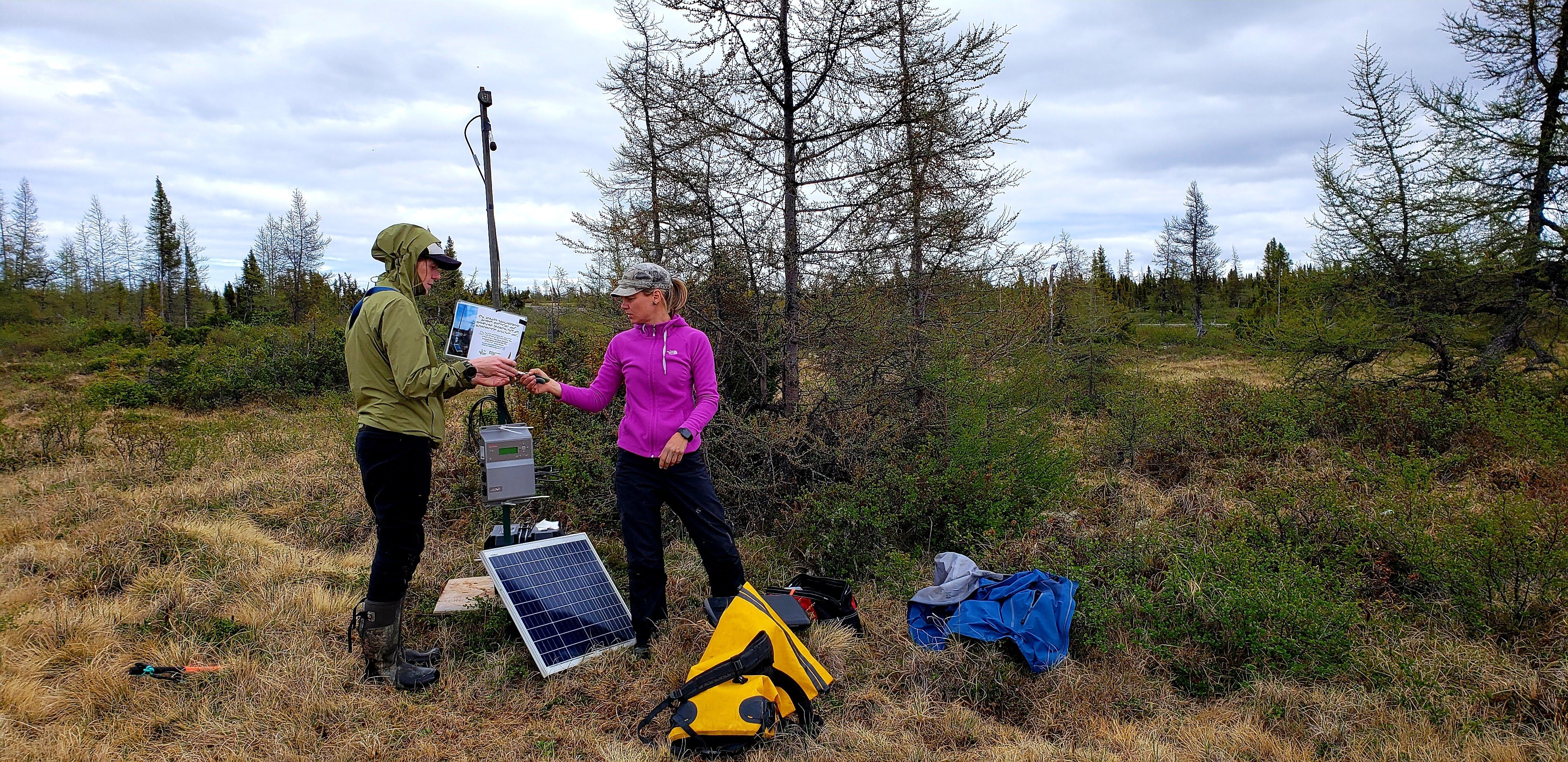
Sites are selected across all regions of Quebec based on seven habitat types to ensure comprehensive representation of the province's ecosystems. Depending on the targeted species groups, various types of surveys are conducted at each site. This data is then compiled into a database on Biodiversité Québec, which can be explored via the portal. Summaries, digital narratives and analyses are also presented to help users understand the status, trends and influencing factors of species.
The Quebec Biodiversity Monitoring Network is a Ministry of the Environment, Climate Change, Wildlife and Parks initiative. The Network aims to improve our understanding of the impact of climate change on ecosystems, flora and fauna, and the habitats of certain species, as well as their ability to adapt to such changes. This will enable us to make informed decisions and take a proactive approach to managing and conserving Quebec’s biodiversity.
Which mammal species are present in the different environments and regions of Quebec? Are the ranges of certain mammal species shifting northward?
How do the abundance and composition of soil insects vary in response to climate change? What are the climate preferences for certain groups of species?
Will the plant communities of different environments change with climate change? Are changes being observed in the distribution range of vascular and non-vascular plants?
How does the presence of different butterfly species vary according to climate? Are butterflies moving northward in response to climate change?
Is the presence of certain indicator or rare species observed at the different sites? Is the activity period of different bird species changing over time and space according to climate?
Can dragonflies and damselflies move northward in response to climate change? What are the changes in the abundance and species composition of odonate communities?
How does the benthic macroinvertebrate community vary in response to climate and anthropogenic changes? Do the traits of certain benthic groups, such as thermal tolerance, make them good bio-indicators of climate?
Where are the different bat species found across the territory, given that several are in decline? Is the activity period of different species changing over time and space according to climate?
Is the activity period of different grasshopper and cricket species changing over time and space according to climate? How does species diversity change along the temperature gradient?
Where are the different anuran species detected across the territory? Is their activity period changing over time and space according to climate?
How do the abundance and composition of zooplankton communities vary in bodies of water? What is the impact of this variation on the species that consume them?
How do the diversity and abundance of fish species vary in lakes? Which groups are most sensitive to climate change and what is the impact on other species in the food chain?
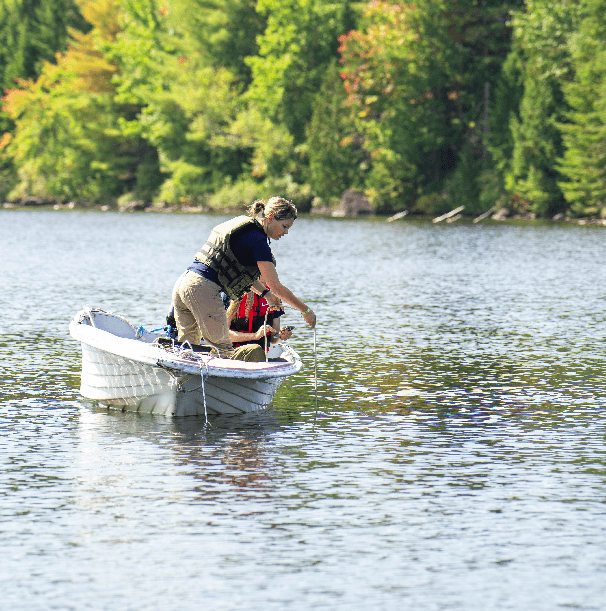
How is the health of lakes and the species living in them affected by climate change? Are changes being observed in temperature, oxygenation, pH or conductivity?
What will be the effect of climate change on lake water temperature and on the species living in them? How does the annual temperature cycle of lakes and marshes vary?
How does the decomposition rate vary in different forest soils? Will the decomposition rate of organic matter be accelerated in the context of climate change?
_avec_slogan.svg)